Music, Mindfulness, and Wellness
“Harmony between Heaven and Earth” Program
“天地人和” 音乐正念与健康项目
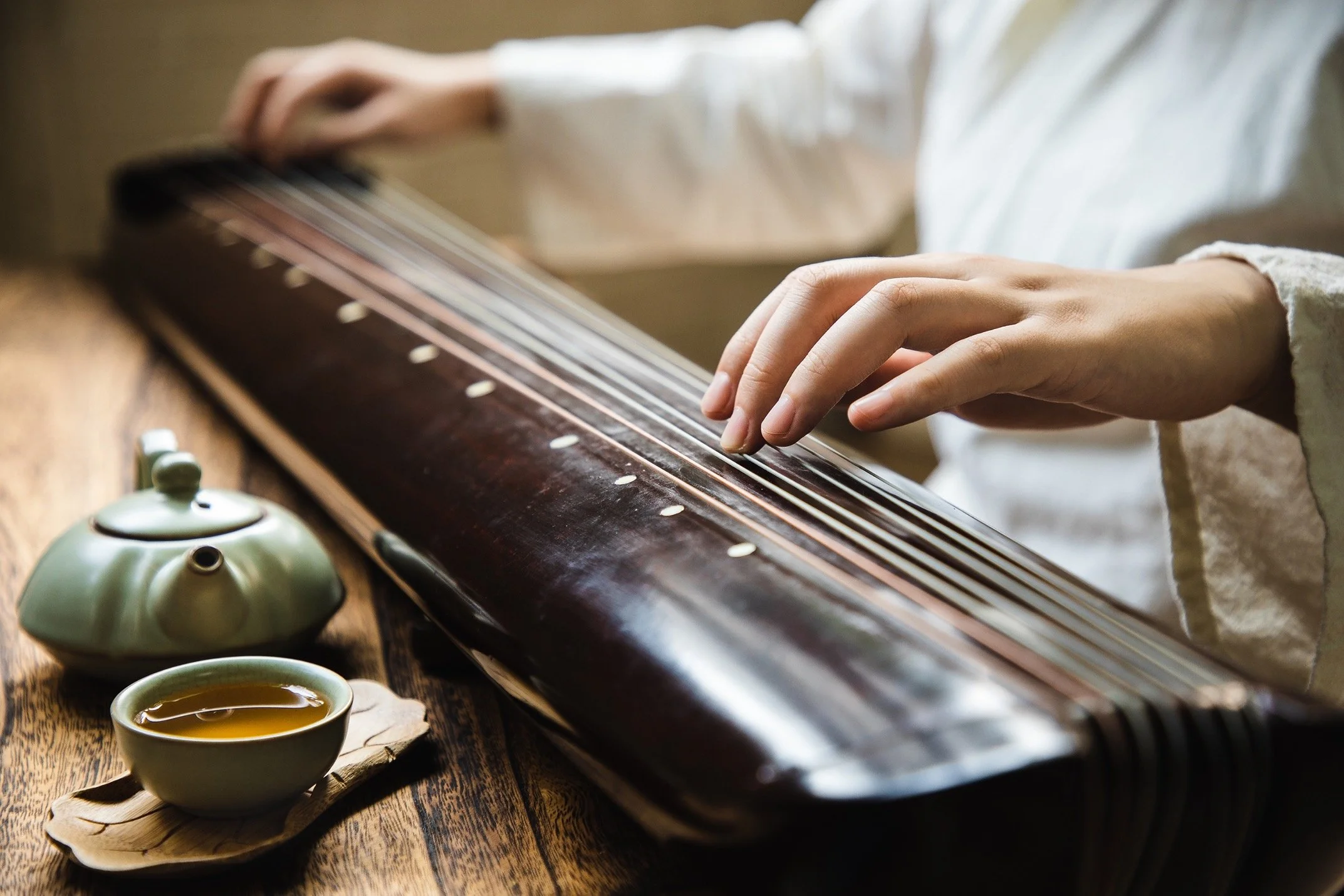
“Harmony between Heaven and Earth” is an evidence-based guqin and wellness program designed by Dr. Xia Jing, a dedicated scholar-musician, whose work centers on music, culture, and integrative wellbeing. This mindfulness-oriented guqin and wellness program is intended to provide participants with an immersive and transformative experience, as well as enable embodied experience and meaningful dialogue between people from different backgrounds. This program intended to use a guqin-based mindfulness approach within a community setting to promote integrative wellbeing for both individuals and communities.
In response to the framework of arts participation and cultural practice, this program consisted of three modules, including
Mind-Body Awareness
Heaven-Human Unity
Harmony
The structure of each session comprised breathing exercise with guided meditation, classical literature discussion, guqin learning, mindfulness-oriented guqin practice, and collaborative guqin playing. The point of this structure was to embrace knowledge and practice in this traditional musical art to explore a holistic approach to healthy living and to facilitate dialogue and mutual understanding among participants across cultures and ages.
“Playing the guqin helps with calmness and composed mind, equanimity. If you have equanimity and calm mind, attain it, no matter you are Christian, Buddhist, and Daoist, then you are able to see opportunity. If you mind is unsettled and angry, you cannot see it.”
“I didn't have many chances to get in touch with Chinese culture. When I was sitting there playing this instrument that people were playing a thousand years ago, and thinking about those paintings, the scholar playing the guqin in nature, it’s really touching and fascinating.”
“I truly discovered genuine support for one another and a bond which connects us through guqin and our shared heritage.”
“For me, mindfulness practice in guqin is like a therapeutic process. The sound of guqin, the finger, techniques, the qi exercise, and the inclusive philosophy all helped me to nurture myself.”
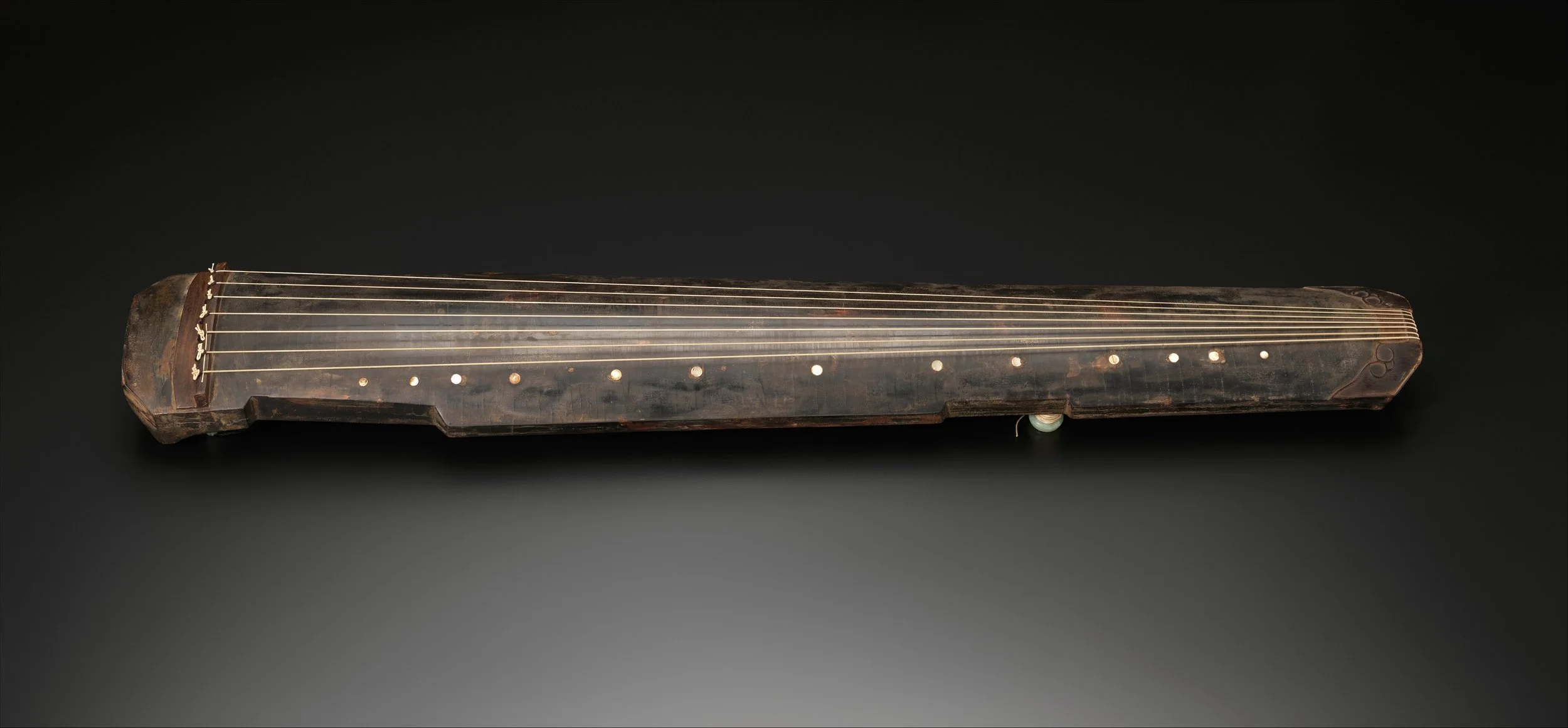
Guqin | 古琴
The guqin, a traditional Chinese musical instrument with a history spanning over 3500 years, occupies a significant place as the foremost of China’s four classical arts: qin, chess, calligraphy, and painting. Rooted in inclusive philosophy, aesthetics, and humanistic thoughts, the theory, practice, and its soothing sounds of the guqin are deeply interwoven into the cultural and wellness practice fabric. It is historically employed to cultivate body-mind equilibrium, virtue and harmonious connections within oneself and the environment. The nature of guqin practice in the nourishing life context is not enclosed in performance spaces but exists in self-cultivation and social acts of everyday life like rituals and singing in church.
“Gou” | 勾
As far as I am concerned, practicing music is also a meditation practice. Every movement is connected to breathing, and the body and mind are always awakened to perceive what is happening at this moment~
练琴恰恰也是静思、冥想的练习。每一次运动都与呼吸产生连结,身体与思维一直处于觉醒的状态,观照现在这一刻在发生什么~
“Mo” | 抹
Allow your mind to be calm and breath freely. Move your fingers softly and produce a gentle and smooth sound~
心平、氣和、指靜、音潤
“Tiao” | 挑
As you start to practice music, be comfortable with silence, be patient and mindful, put aside any competitiveness, and feel full inside and outside. Enjoy your time~
享受修习的每一刻,雪其燥气,释其竞心,由内而外地感受充盈~